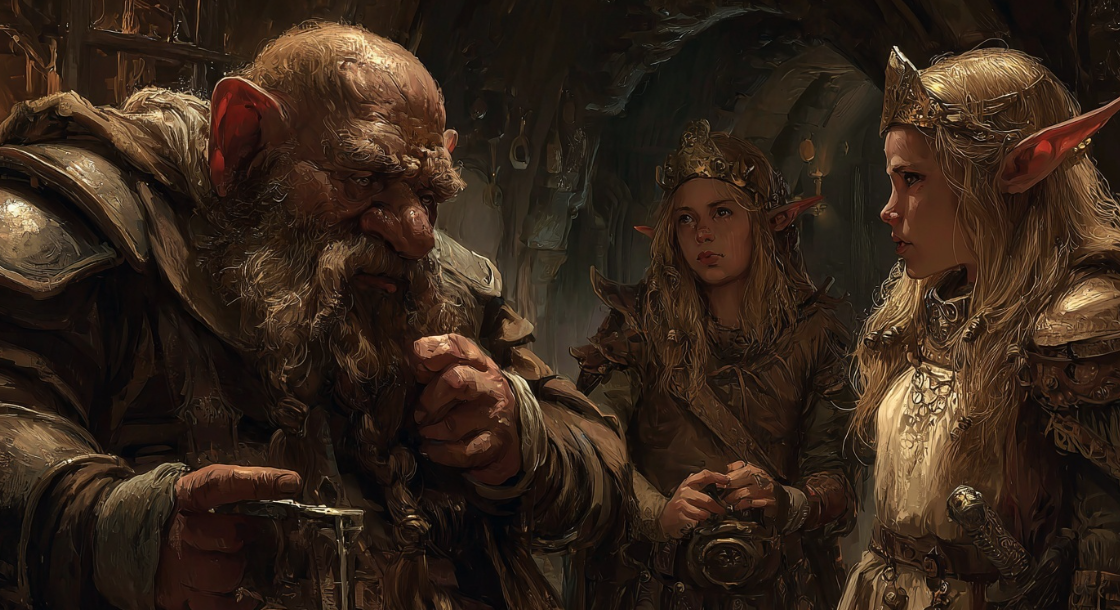
1. Hero
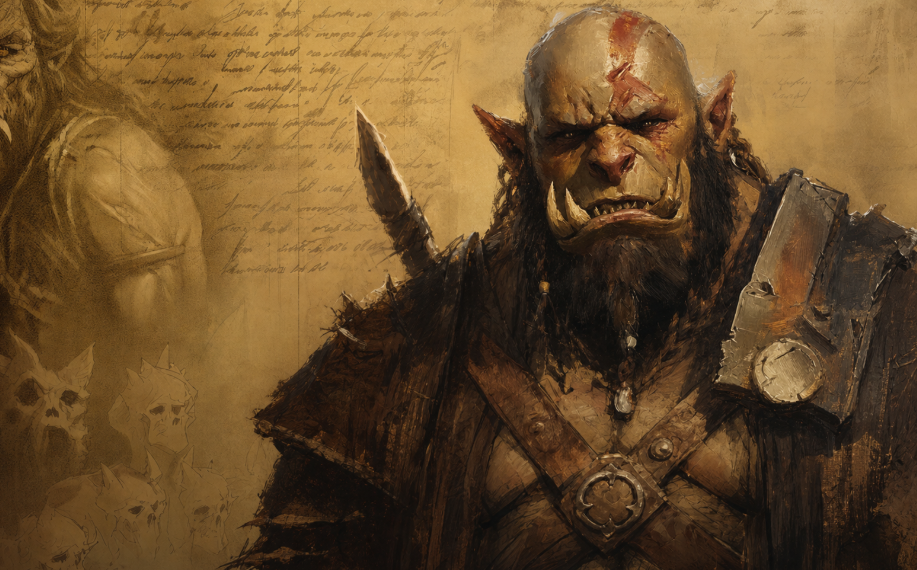
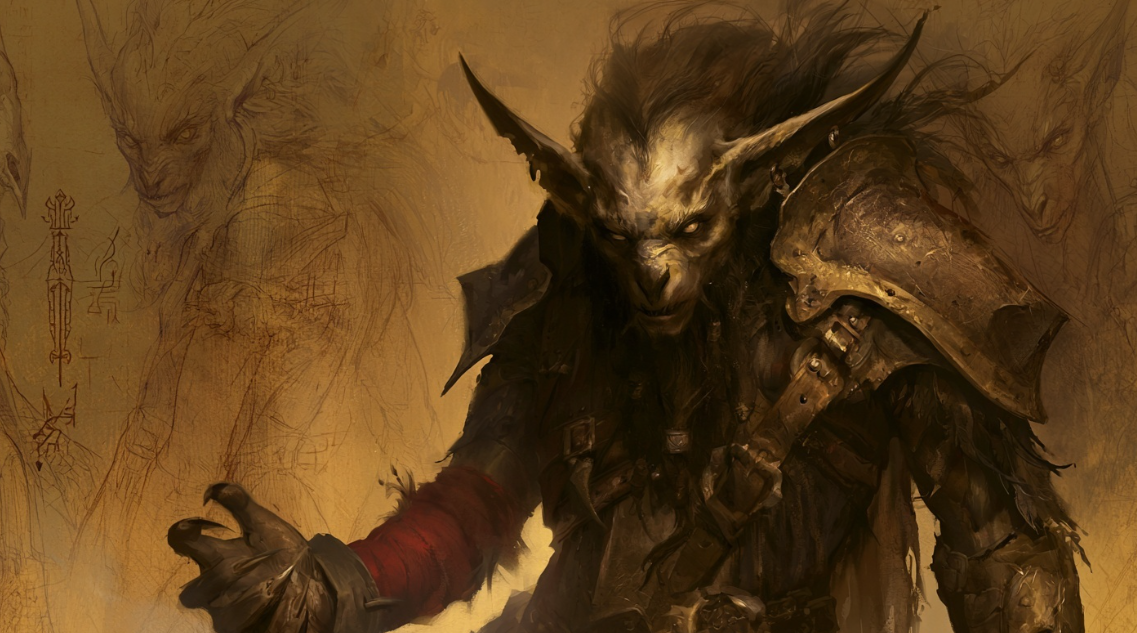
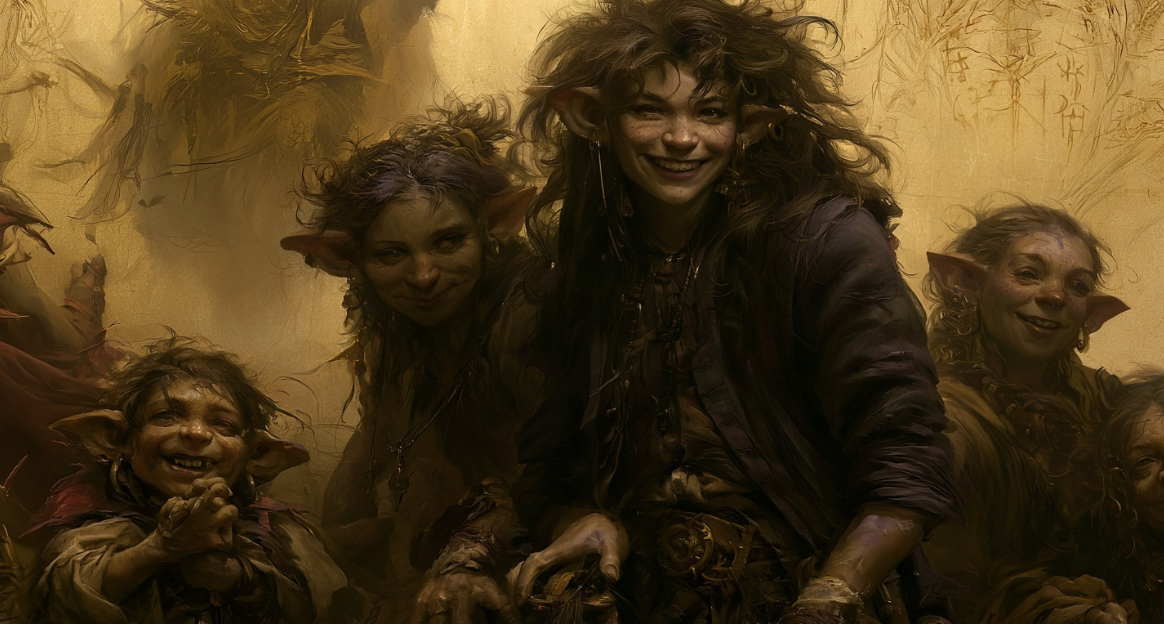
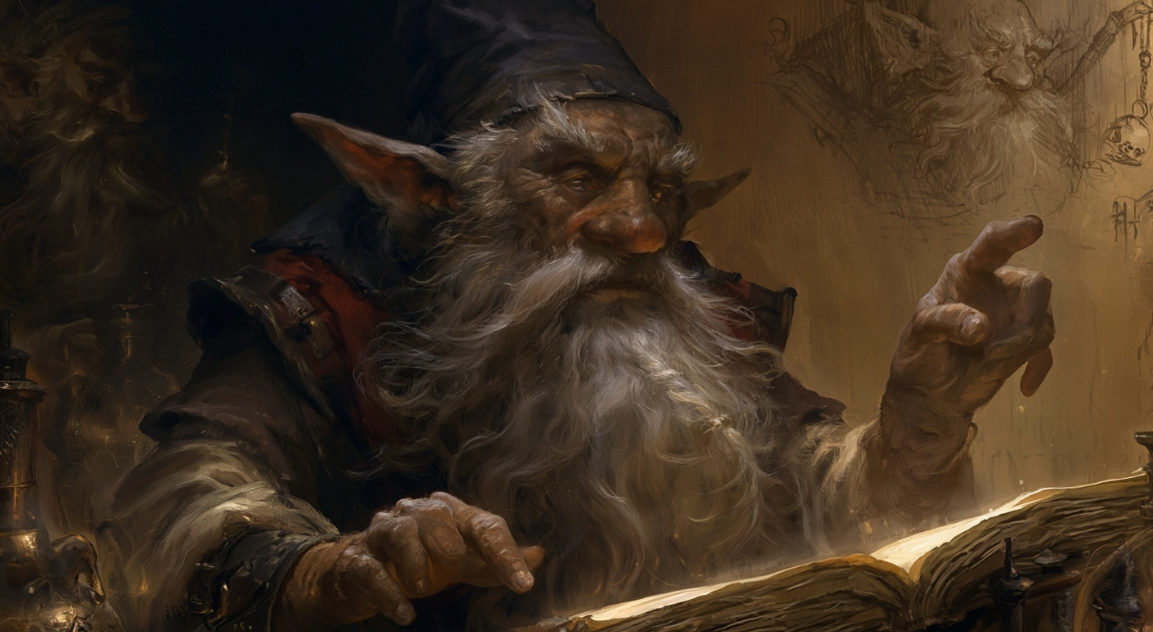
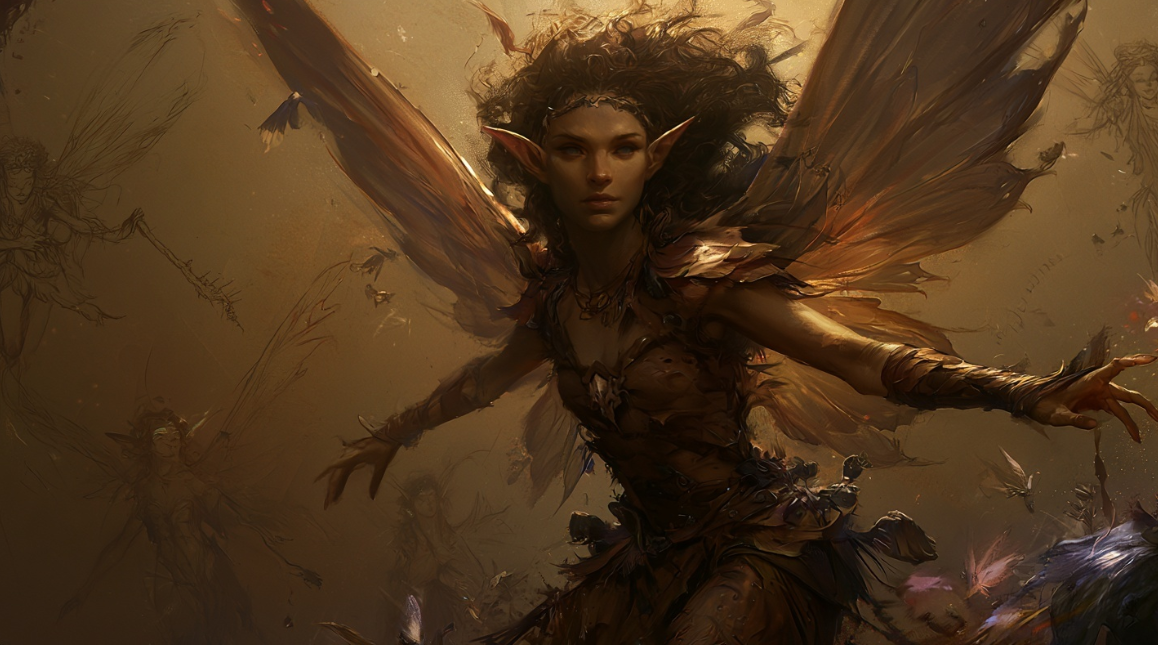
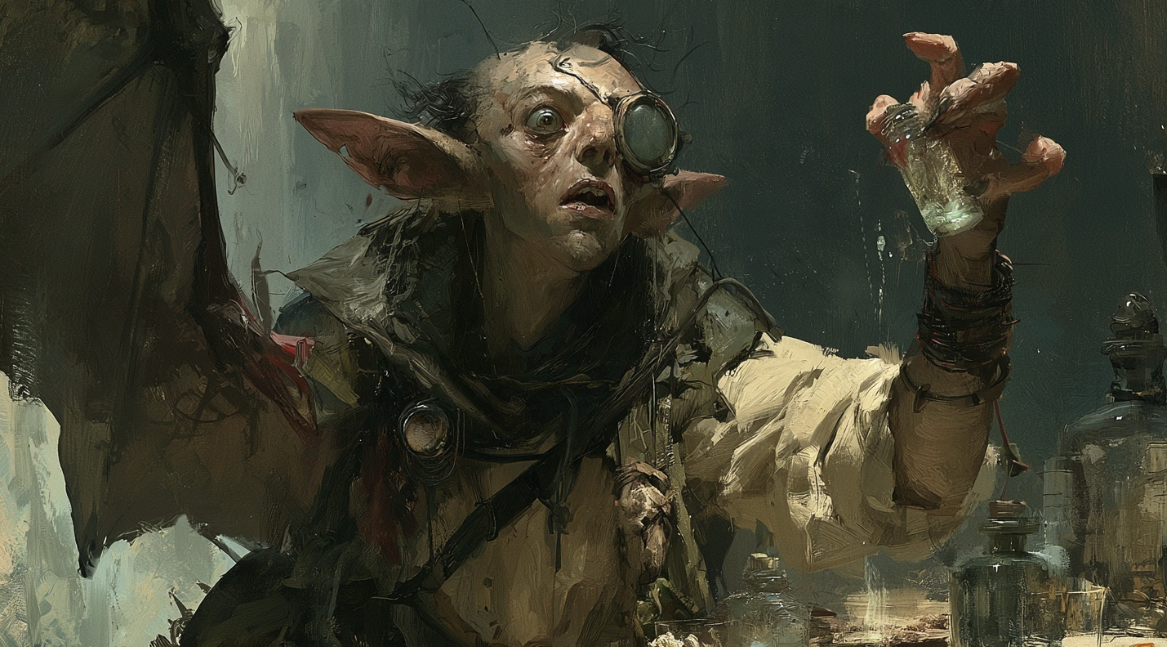
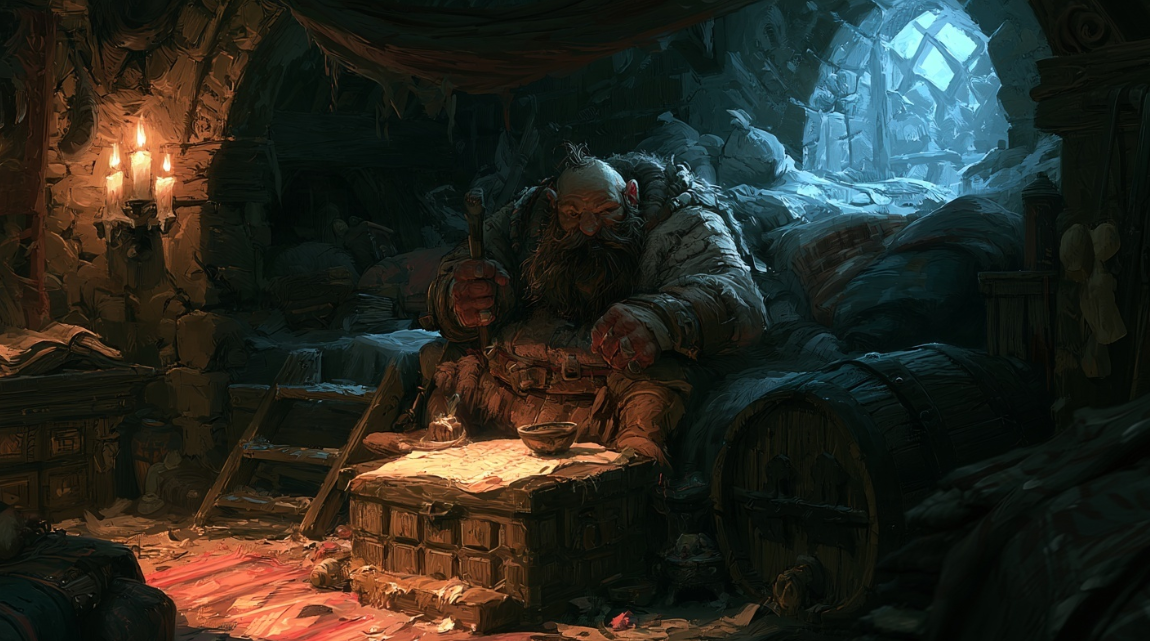
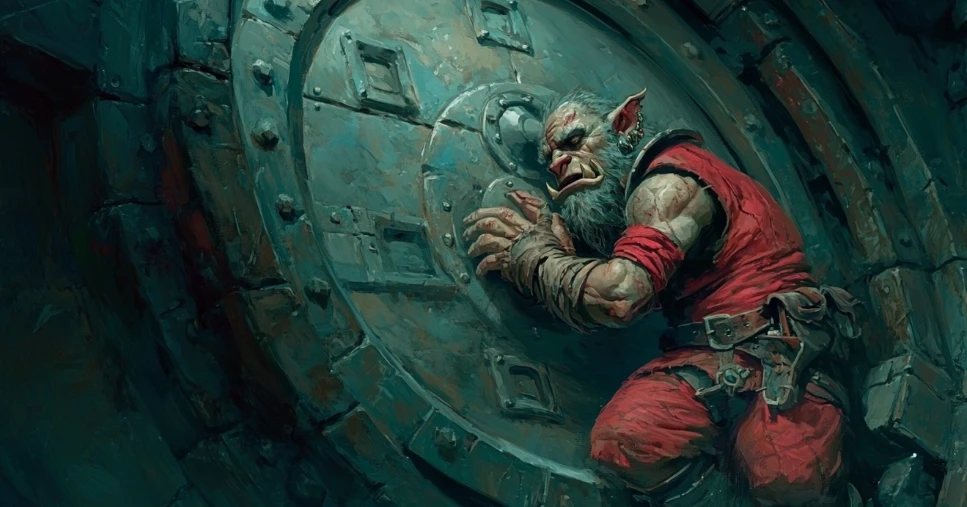
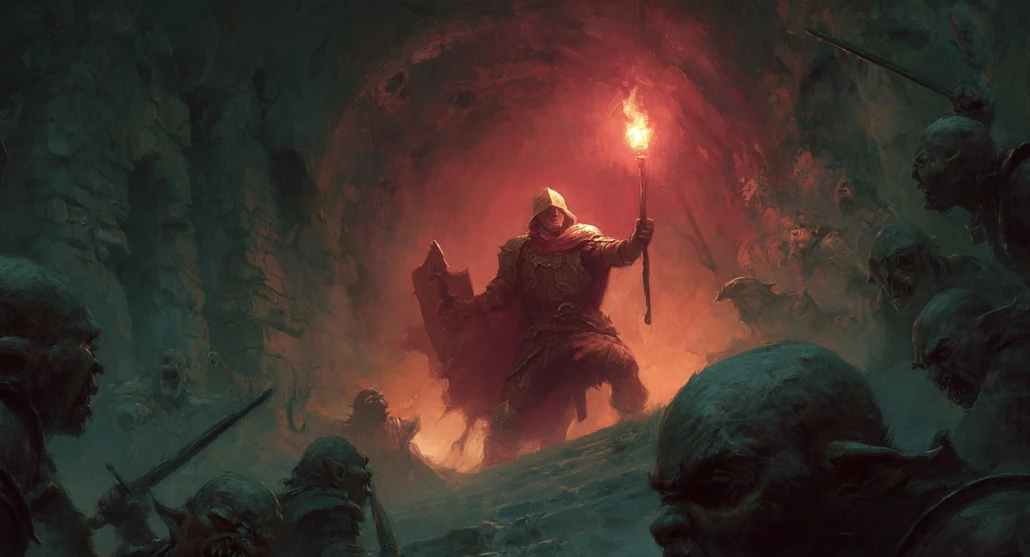
Choose a hero. You are dealt three ready-made characters and can re-shuffle for a new hand. You can also build a custom hero: pick a race and class, spend your Measure points, and choose a deity or none.
Ethernalis is a turn-based dungeon crawler played with cards. Every room, creature, item, and event is a card. You explore one room at a time, spend a small budget of actions each turn, and try to come back out with more than you took in.
This page is an overview. For step-by-step help with surviving your first nights, treating wounds, building a home base, or winning over the people you meet, see the Articles. Each section below also links to the article that covers it.
Choose a hero. You are dealt three ready-made characters and can re-shuffle for a new hand. You can also build a custom hero: pick a race and class, spend your Measure points, and choose a deity or none.
Choose where to start. A new region is generated with its own map and history. Pick one of three starting sites, then enter its dungeon.
Read the room, then act. Look at the four cards around you before you move. Spend your Action Points on moving, fighting, searching, and crafting. When you wait or run out of points, the turn passes and the dungeon takes its own.
Every character is built from ten Measures, each rated from 1 to 5. They set your health, mana, and stamina, how often you hit, how many actions you get each turn, and how much you can carry.
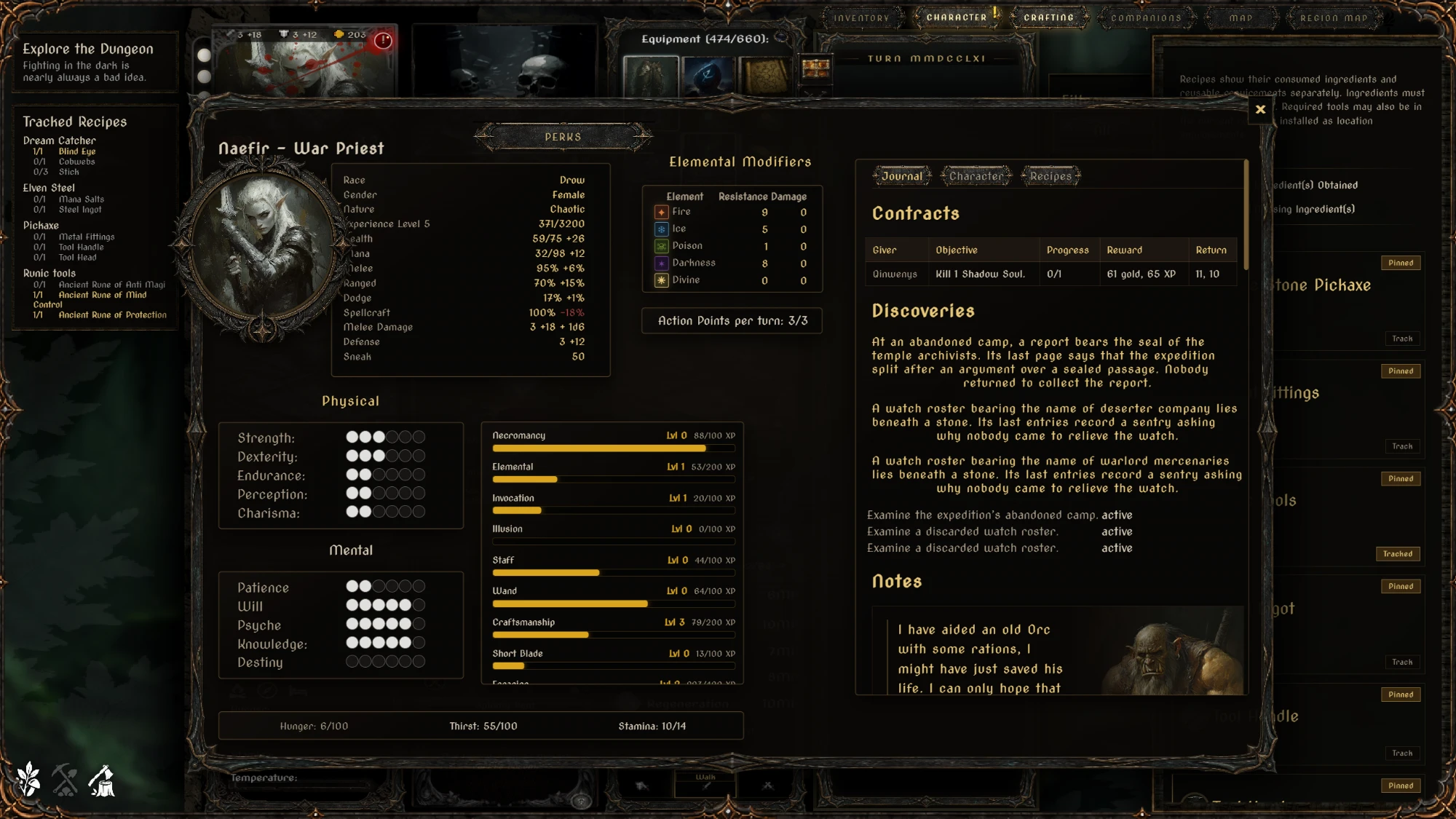
Health, melee hit chance, melee damage, and carry weight. Strength also forces locks open.
Melee and ranged accuracy, dodge, sneaking, and critical chance. Part of your Action Points.
Health, defence, stamina, and carry weight. Also speeds the recovery of health and stamina.
Ranged accuracy, sneaking, and spotting traps. Sharp eyes keep enemies a step further away. Part of your Action Points.
Health and health recovery. Strangers warm to a charismatic hero faster, and companions stay loyal longer.
Ranged accuracy, steady hands at the workbench, disarming traps, and picking pockets.
Mana, spellcraft, and mana recovery. Guards the mind against hostile magic and fear.
Mana, spellcraft, and mana recovery. Knowledge is also what lets you read books and scrolls.
Mana, spellcraft, and mana recovery. Part of your Action Points.
Each point of Destiny is one lifeline. When a blow would kill you, a point is spent and you are thrown into a Destiny Trial instead.
A Measure at 5 grants a gift. Titanic Strength doubles the load you can carry before you are overburdened. Eagle-Eyed Perception spots hidden traps automatically. Savant Knowledge recognises cursed items on sight.
A Measure at 1 carries a flaw. A Weakling carries half as much. A Clumsy hero cannot sneak. An Ignorant hero cannot read books or scrolls. A Shattered mind cannot cast runic spells.
Proficiencies rise through use. Weapons, spell schools, crafting, trap work, fishing, mining, runecraft, stealing, and similar skills improve by being practised.
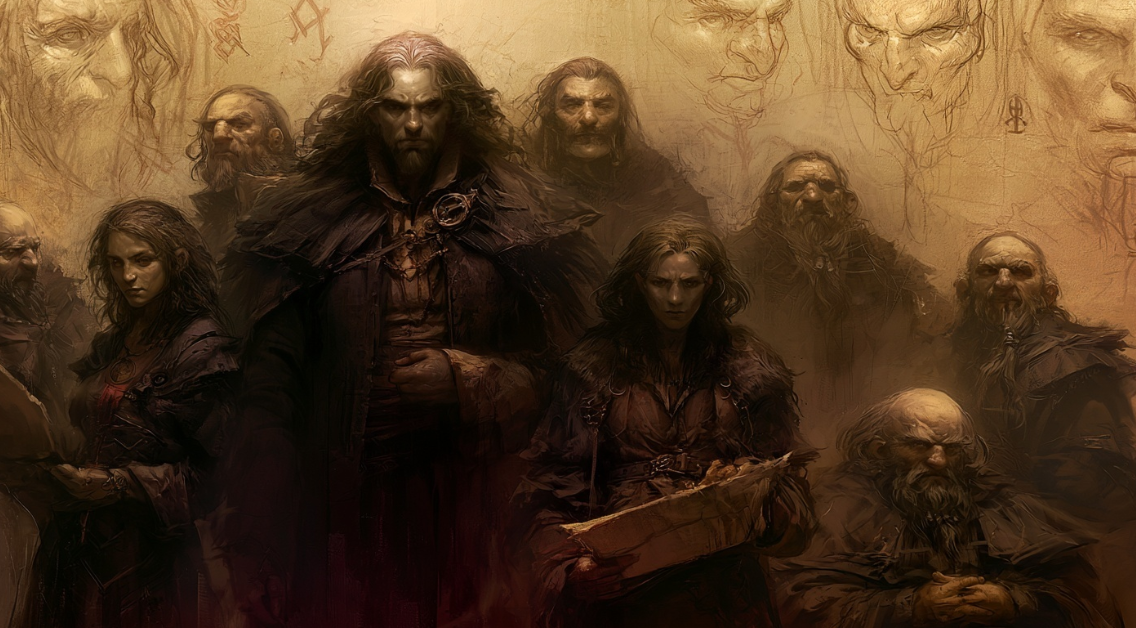
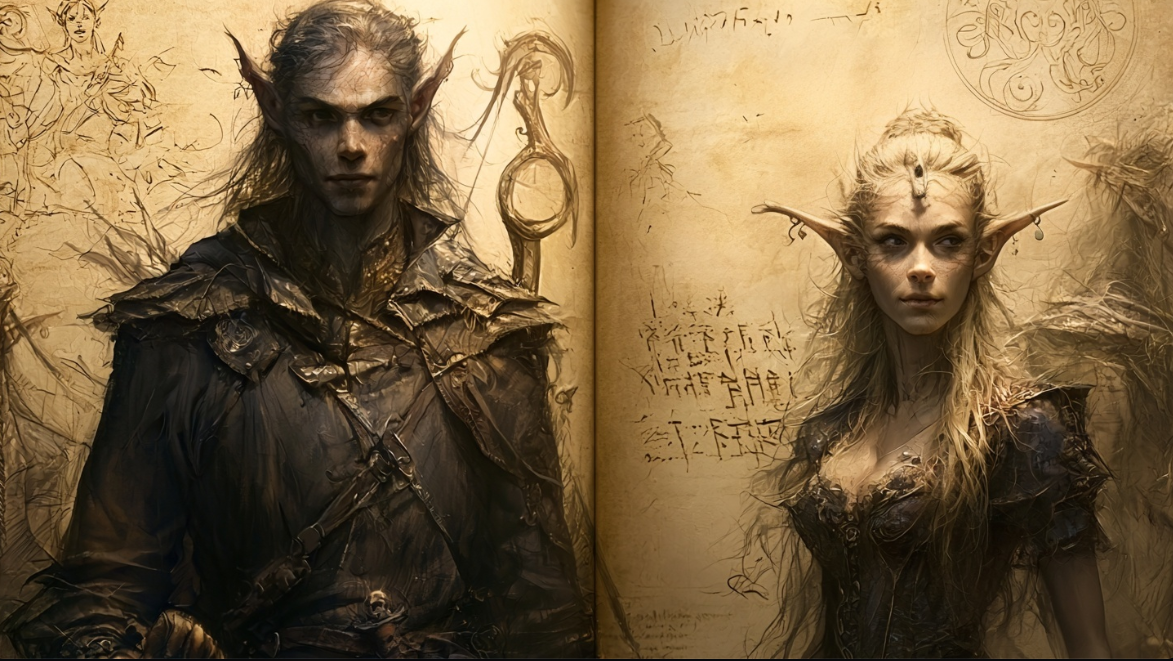
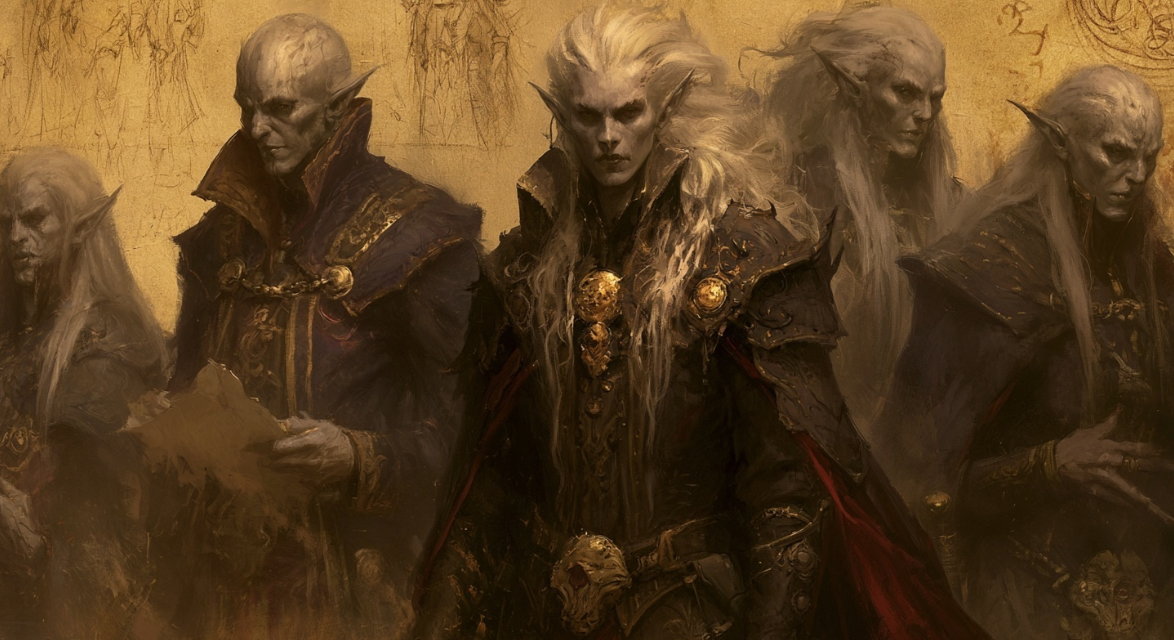
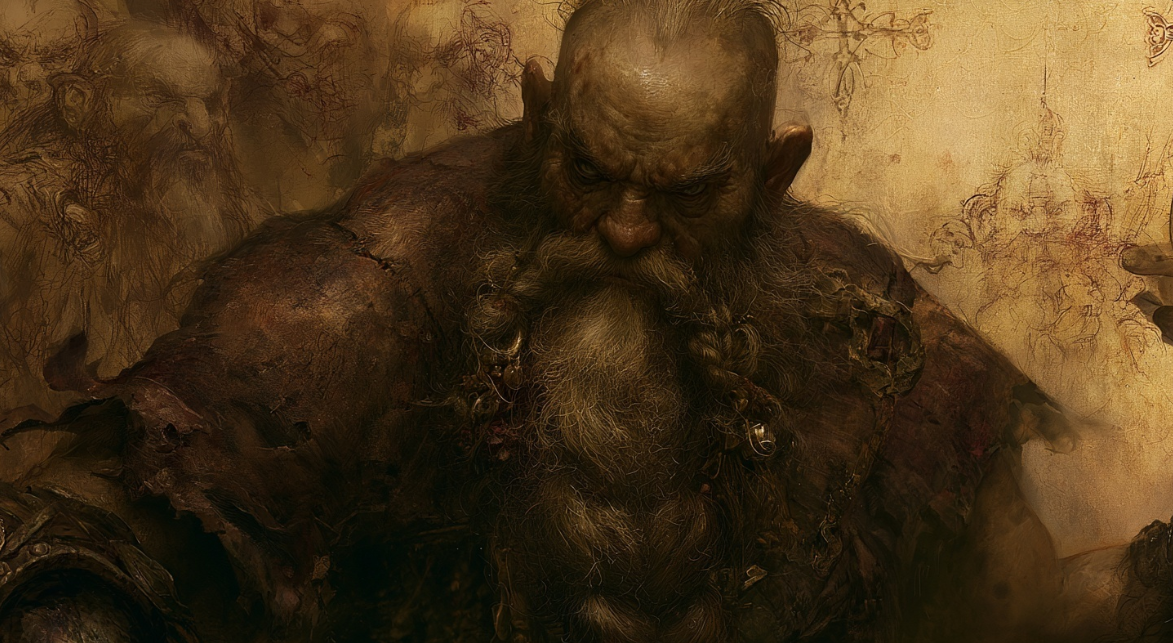
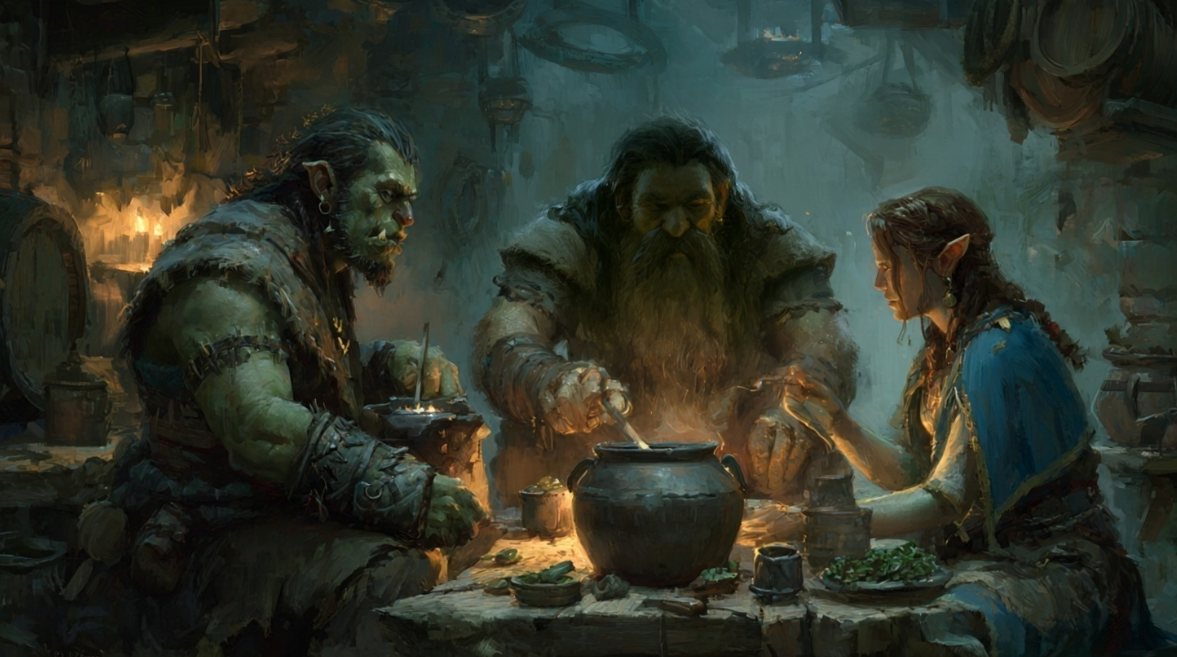
Nine peoples share the Old World. Six of them can be played: Human, Elf, Drow, Dwarf, Orc, and Heffith. Each playable race brings its own starting bonus. The other three you will meet in the world and its history.
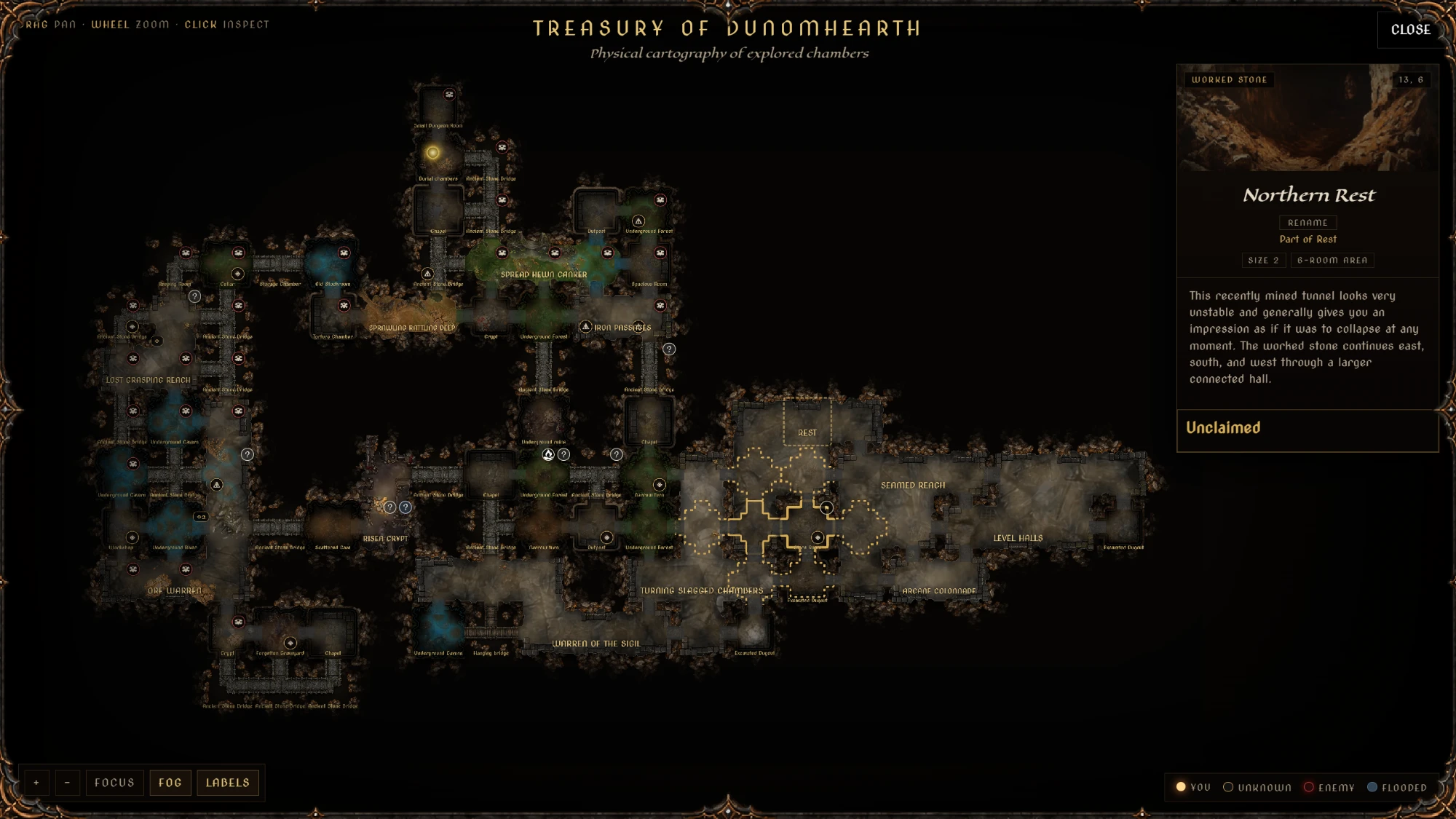
A dungeon is a grid of rooms. Each room has a center location card, which is the room itself, and four side cards to the north, south, east, and west. A side card may be a passage, an enemy, an item, an event, a trap, a container, a person, or an exit.
Every dungeon has a theme, such as a cavern, crypt, mine, or library, and the theme decides what fills its rooms. Now and then you walk into a section built by hand: a house, a shrine, a camp.
Some dungeons are wet. Water spreads through neighbouring rooms, drowns what was there, and leaves silt and rot behind. Locked doors and chests need a key, a lockpick, or enough strength to break them.
A dungeon does not wait for you. Every enemy grows stronger for each turn it stays alive, so a dungeon left unfinished becomes more dangerous.
A library will never produce a swamp-rat. A mine draws from its own rooms, objects, and inhabitants. A few rare things, including wandering people and lost relics, can appear almost anywhere.
Rooms fill according to the dungeon's theme, how deep you have gone, and what the place can reasonably hold.
Entering a new room reveals what waited there. Some exits lead into smaller dungeons of their own, and you must find your way back out.
Action Points are the turn's budget. You get Dexterity, Perception, and Psyche added together and divided by three, never less than one. Moving, attacking, searching, crafting, and most inventory actions spend them.
Carry too much and you slow to one AP. Carry weight is Strength times 100 plus Endurance times 75. Traits and perks change it.
Fighting is hard work. Every attack spends stamina, as do running and swimming. With no stamina left, you can do none of them until you recover.
Distance matters. Melee attacks close the distance before striking. Ranged attacks need a ranged weapon, ammunition where it applies, and room to shoot.
Unseen, you strike first. A successful sneak leaves enemies unaware of you. An unaware enemy will not attack or strike back, and your sneak skill is added to your critical chance against it.
Traps hide in rooms and containers. Perception may reveal them. Crossing a trapped path tests you, and a sprung trap keeps you in the room. Disarming uses Dexterity, Patience, and trap proficiency.
Enemies move and react. Frightened enemies flee from where they last saw you. Angered ones hunt you down, open doors, and attack anything in their way. Roaming enemies can set off traps and pick up gear.
Quality sets how good an item is. Materials decide what it is made of, how long it lasts, small bonuses to its stats, and which creatures fear or resist it.
Items come in ten grades, from Dismal to Masterful. Better quality raises durability, damage, defence, value, and the item's other stats.
Fourteen material domains: wood, leather, metal, textile, stone, glass, herb, mushroom, gem, bone, wax, organic, twine, and alchemical.
Crafted items take on the materials of their ingredients, so what you make remembers what went into it.
Runic Tools and Blacksmith Tools can open a socket in a room or in any item that is not a consumable. A new rune replaces the old one, which is lost.
A socketed rune's effect depends on the item. In a weapon it adds force, in armour it adds protection, and in tools or containers it adds health, mana, or stamina.
A socketed room applies its rune to everything that happens there, to you and to your enemies. Fire warms the room, water chills it, and a protection rune doubles your defence.
Your life. Wounds, poison, hunger, thirst, cold, heat, traps, and enemy steel all take from it.
Spent on spells and scrolls. It returns with time, faster with high Will, Knowledge, and Psyche.
Spent on attacks, running, and swimming. It returns with time, faster with high Endurance.
Rises as you act. At its limit, you start losing health until you eat.
Works like hunger. Dirty water can make you ill, so boil it or find clean water.
Rooms, weather, flooding, fires, torches, clothing, runes, food, and spells push you toward heat or cold.
Shifts with your gear, the room, dirt, weight, afflictions, and your personality traits. A miserable hero rests badly.
Illnesses and injuries that last. They change your stats, some grow worse when their time runs out, and some need a specific cure.
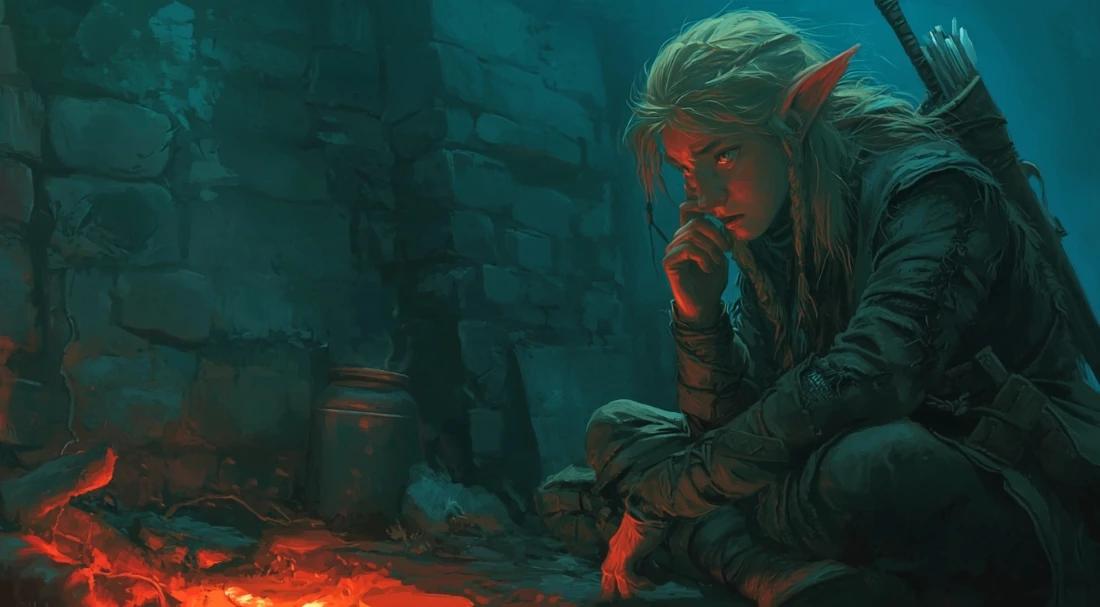 How toHow to Survive Your First NightsFind clean water, light a fire, eat something cooked, and sleep somewhere safe.
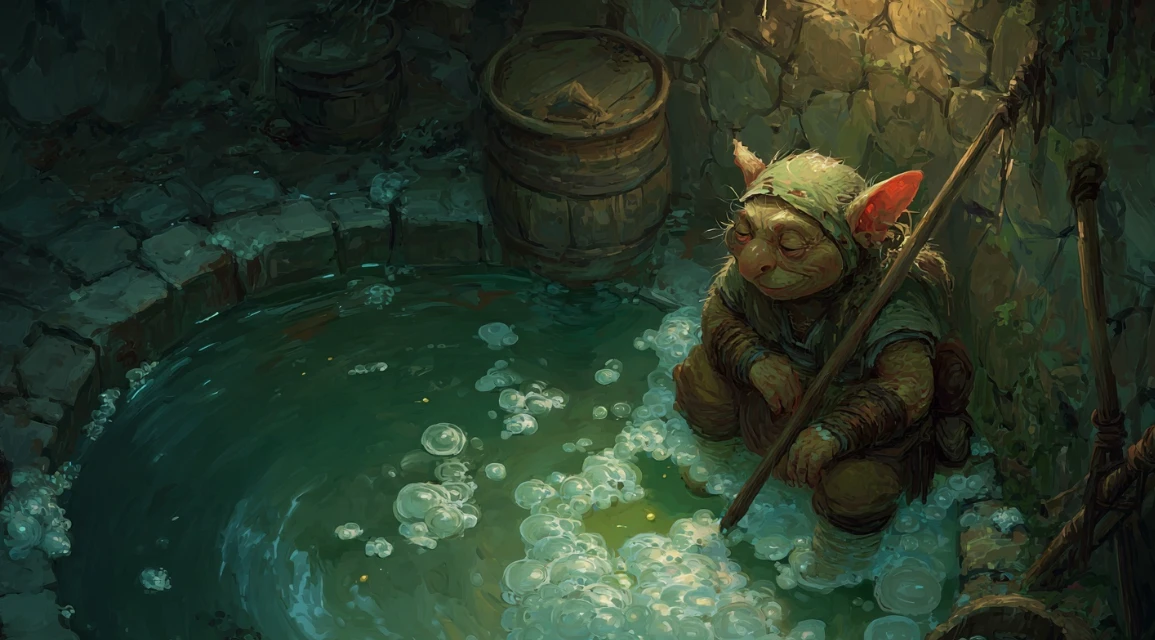 How toHow to Stay CleanWash off the grime, keep your gear clean, and stop your camp from calling the dungeon to dinner.
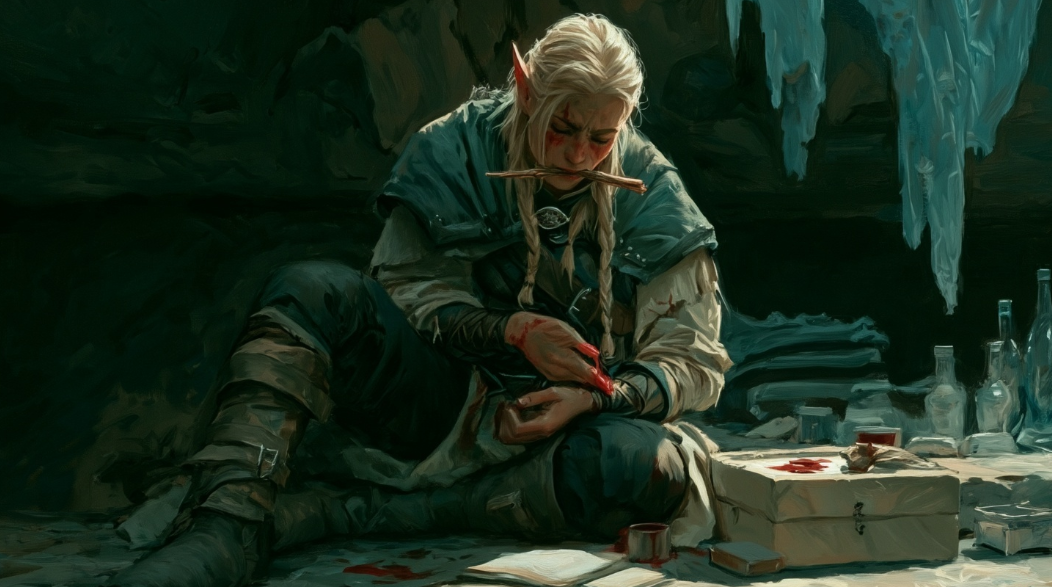 How toHow to Treat a WoundStop bleeding, clear infection, and deal with the scars that remain.
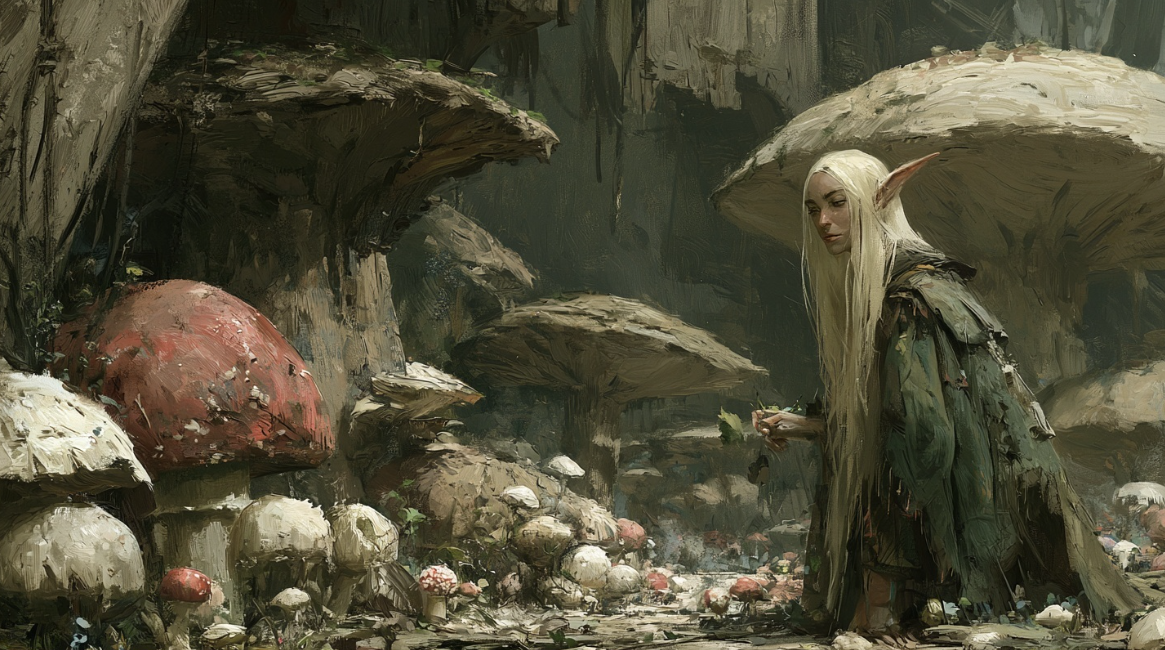 ArticleUnknown MushroomsFive varieties of every species, and no two worlds agree.
You earn experience by killing enemies, crafting, and finishing certain actions and events. You spend the same experience on levels and on perks.
The first level costs 100 experience, and each level after costs twice as much as the one before. Leftover experience carries forward.
Each level offers class choices. You can stay on your path or turn toward a new one.
Perks are unlocked by paying their experience cost. Many require another perk first, so plan your route through the tree.
Destiny gives you one more chance. If you have a Destiny point when your health reaches zero, it is spent, some health returns, and you are thrown into a dangerous escape. Survive it and the run goes on.
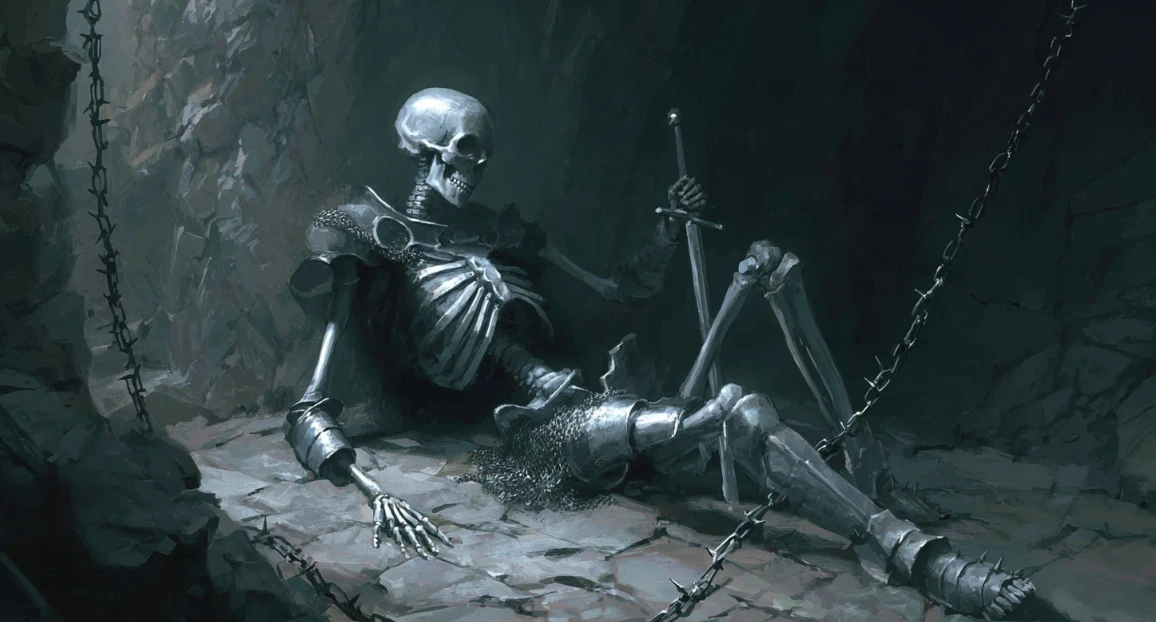
Without Destiny, the run ends. Your hero falls and leaves a corpse holding everything they carried.
The world remembers. Your last dungeon stays marked on the region map. Travel back to it with your next hero to recover what the fallen left behind.
The dungeon has people in it. They move, eat, fight, speak, carry gear, offer work, and remember how you treated them.
Every person you meet is a card: the wanderer, the figure waiting in a dungeon room, the companion at your side, the merchant on the road. How you treat them follows you out of the dungeon.
Recruited companions travel with you. You can equip them, ask them for help, send them to explore, or dismiss them.
People get hungry and thirsty too. They eat and drink from their own packs first, then from the room, and complain when they cannot.
Merchants trade in food, books, junk, or smithing. Each has their own gold and temperament, and a merchant in a good mood gives better prices. Trade with one often and they level up, offering services such as healing, repairs, rest, and meals.
With the Thief perk you can try to steal from a merchant for one AP. Dexterity, Patience, and stealing skill decide the chance. Get caught and the merchant turns hostile.
A hero may serve a deity. Prayer, offerings, and shrines build piety and earn blessings. Acts your god forbids bring wrath.
Beyond the dungeon lies the region map, with settlements, quests, and its own history. Travel between sites costs rations.
The world waits for you. A merchant might not appear until you have slain your first wyrm. A spell might not unlock until you have read a particular book in a particular city.
This page is an overview. The Systems Reference covers character creation, class paths, combat, survival, travel, crafting, magic, faith, people, multiplayer, and the changing dungeon in full.
Races, classes, Measure points, traits, Destiny, and starting equipment.
Attacks, aimed strikes, damage, lasting wounds, treatment, scars, and limb loss.
Magic schools, casting, rituals, familiars, and conversion spells.
Rooms, themes, floods, locks, settlements, and why the route home keeps changing.
Needs, rest, afflictions, defeat, corpses, and Destiny Trials.
Material domains, the quality scale, durability, vulnerability, and inheritance.
How people and enemies move, eat, fight, carry gear, join you, betray you, and remember what you did.
Deities, prayer, offerings, shrines, blessings, and divine wrath.
Delayed quests, waiting encounters, and the cards that appear only when the world is ready.